
The Encyclopedia of Georgian Grapes: 20 Indigenous Varieties of the Cradle of Wine
If you want to understand where wine comes from, you don't look to France. You don't look to Italy. You look to the Caucasus Mountains.
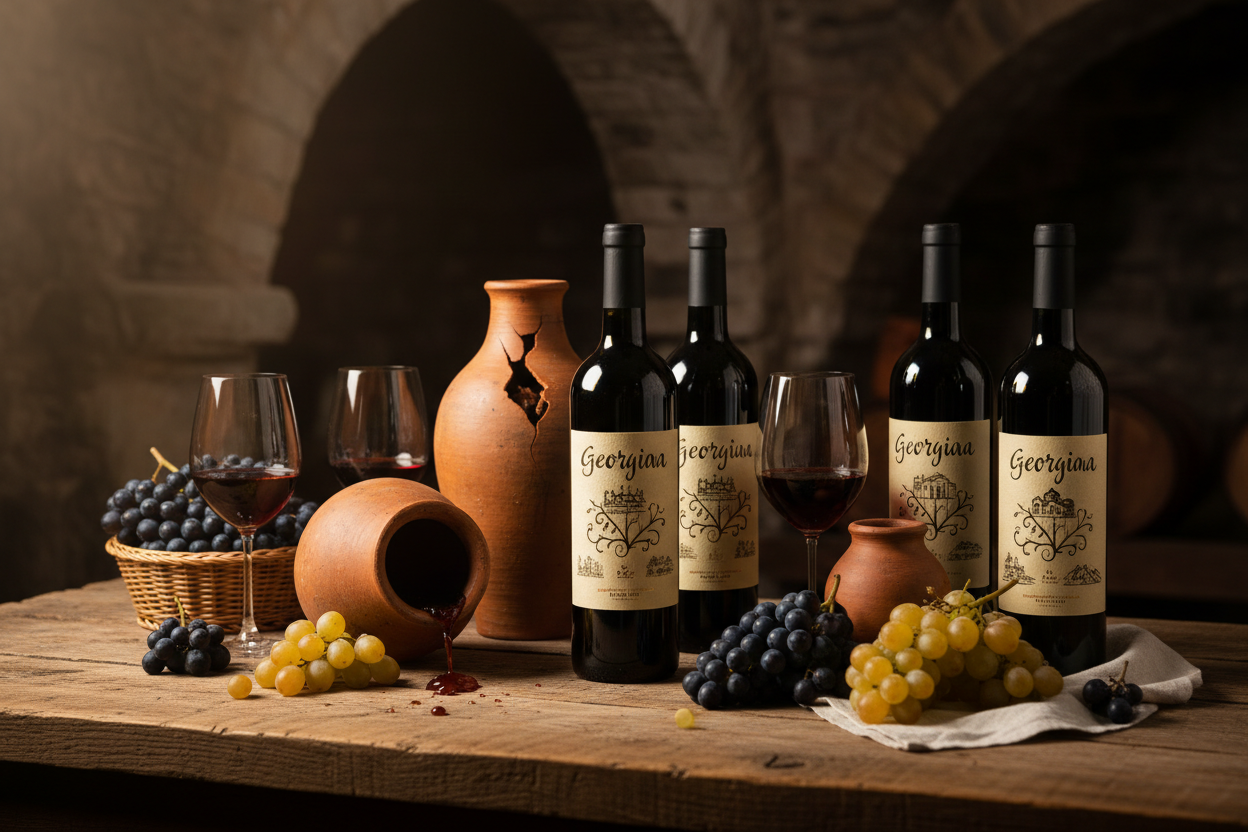
Georgia is not just another wine region; it is the Cradle of Viticulture. Archaeological evidence confirms that humans were fermenting grapes here 8,000 years ago. While the rest of the world was still figuring out civilization, Georgians were burying clay jars (Qvevri) in the earth to make wine.
Deep Dive: Read our article on 8,000 years of Georgian History
At Sun & Soil, our mission is to champion the Ancient World. And there is no world more ancient than this.
But Georgian wine is more than just a history lesson. Today, it is the epicenter of the Natural Wine revolution. With over 500 indigenous grape varieties (many of which grow nowhere else on earth), Georgia offers flavors that are wild, electric, and completely unique.
This is your guide to the 20 essential grapes of the 8,000-year vintage.
THE AMBER GIANTS (The Whites)
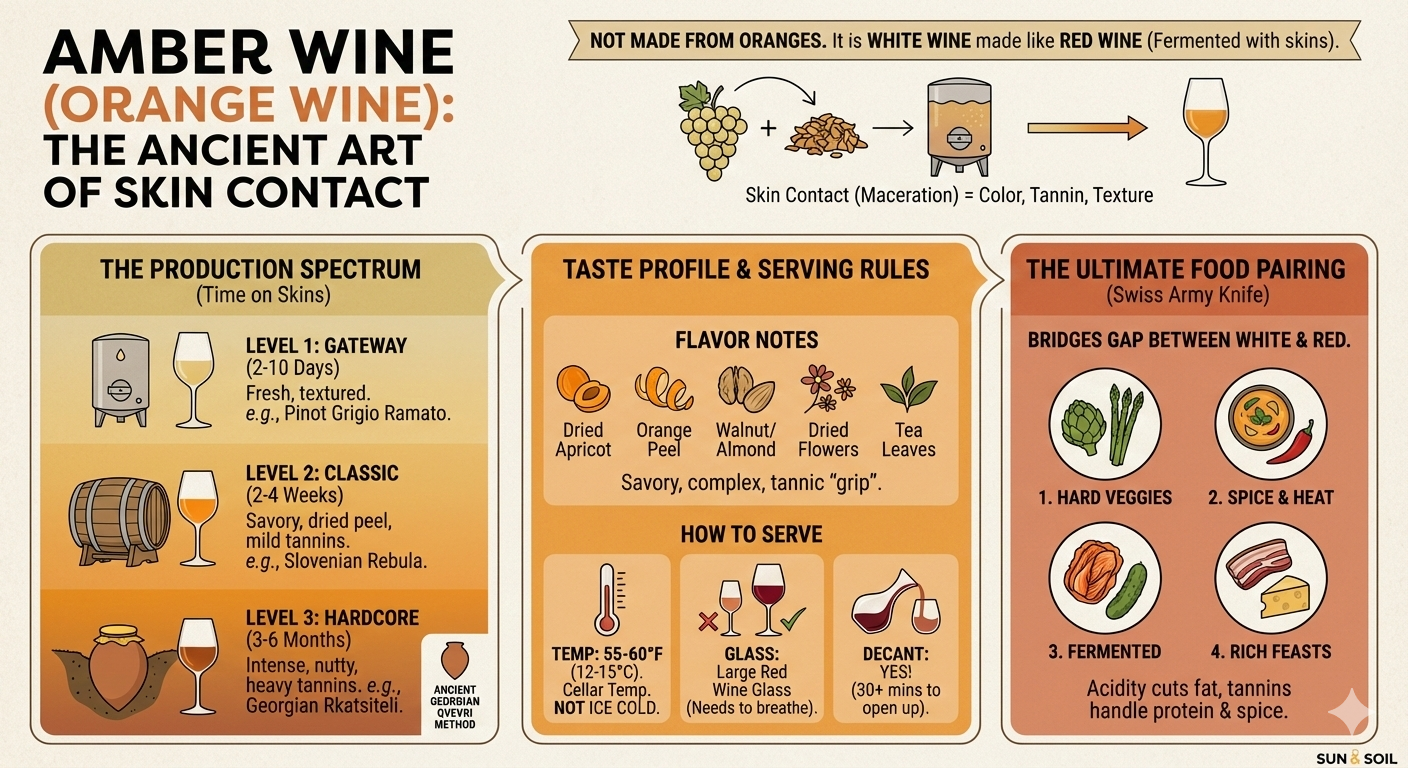
In Georgia, white wine is rarely "white." It is fermented on the skins in clay Qvevri, turning it amber, gold, or tea-colored. These are textured, tannic, and profound.
1. Rkatsiteli (The Backbone)
-
Pronunciation: Rkah-tsee-teh-lee
-
Region: Kakheti (Eastern Georgia)
-
Profile: Dried apricot, walnut, wild herbs, tea tannins.
The Ancient DNA: Its name means "Red Stem." For thousands of years, this has been the workhorse of Georgian viticulture. It is incredibly hardy and retains high acidity even in the hot summers of Kakheti.
The Taste: When made in the traditional Qvevri Amber style, it develops a deep honey-gold color and tastes of dried apple, orange peel, and toasted walnuts. It has tannins like a red wine, making it robust enough to pair with pork belly or spicy stews.
🍷 Sun & Soil Selection:
Casreli Erekle's Wine Qvevri Amber: A stunning example of traditional Qvevri winemaking. Textured, savory, and deep.
2. Mtsvane Kakhuri (The Aromatic)
-
Pronunciation: Ma-tsvah-nay Kah-koo-ree
-
Region: Kakheti
-
Profile: Peach, white flowers, mineral, tropical.
The Taste: The name simply means "Green One from Kakheti." If Rkatsiteli is the "Chardonnay" of Georgia (body/structure), Mtsvane is the "Viognier" (aromatics). It brings the perfume. Even when fermented in Qvevri with skins, it retains a distinct floral lift, smelling of honeysuckle and ripe peaches.
🍷 Sun & Soil Selection:
Ocho "Do You Believe?" Mtsvane: A natural, unfiltered expression that captures the wild, aromatic energy of the grape.
3. Kisi (The Elegant Middle)
-
Pronunciation: Key-see
-
Region: Kakheti
-
Profile: Marigold, tobacco, pear, smoke.
The Story: Kisi was nearly extinct during the Soviet era because it was harder to grow than Rkatsiteli. It sits perfectly between the other two: it has the body of Rkatsiteli but the aromatics of Mtsvane. In Qvevri, it often develops a distinct smoky, tobacco-leaf note that natural wine lovers adore.
4. Khikhvi (The Floral Gem)
-
Pronunciation: Heek-vee
-
Region: Kakheti
-
Profile: Wildflowers, honey, dried apricot.
The Taste: Khikhvi is famous for its massive bouquet of aromas. It is often described as smelling like a field of wildflowers dipped in honey. It is capable of making incredible dry amber wines as well as lush dessert wines.
THE WESTERN WHITES (Crisp & Acidic)
In Western Georgia (Imereti), the climate is humid and subtropical. The wines here are often made with less skin contact, resulting in crisper, lighter styles.
5. Tsolikouri (The Crowd Pleaser)
-
Pronunciation: Tso-lee-koo-ree
-
Region: Imereti (Western Georgia)
-
Profile: Yellow plum, citrus, mineral, melon.
The Story: This is the most planted white grape in Western Georgia. Unlike the tannic amber wines of the East, Tsolikouri is usually made with little to no skin contact. It is soft, round, and full of citrus and melon flavors. It is the perfect entry point for those afraid of tannins.
6. Tsitska (The Sparkling Star)
-
Pronunciation: Tseet-skah
-
Region: Imereti
-
Profile: Green pear, lemon, linden flower, chamomile.
The Taste: Tsitska is the "Acid Queen" of Imereti. Because of its razor-sharp acidity, it is the primary grape used for Georgian sparkling wines. When made still, it is lean, elegant, and refreshing—perfect for fried food.
7. Krakhuna (The Crunchy One)
-
Pronunciation: Krah-hoo-nah
-
Region: Imereti
-
Profile: Stone fruit, tropical, high alcohol.
The Name: The name means "Crispy" or "Crunchy" in the local dialect. This grape ripens late and accumulates a lot of sugar, leading to wines that are higher in alcohol and body than Tsitska or Tsolikouri. It is powerful and intense.
8. Chinuri (The High-Acid Crisp)
-
Pronunciation: Chee-noo-ree
-
Region: Kartli (Central Georgia)
-
Profile: Green apple, wild mint, herbal tea.
The Taste: Grown in central Georgia where the climate is cooler, Chinuri makes wines that are lighter, fresher, and herbal. It is famously used for Pet-Nat (natural sparkling wine) because of its zingy energy.
🍷 Sun & Soil Selection:
9. Goruli Mtsvane (The Green of Gori)
-
Pronunciation: Go-roo-lee Ma-tsvah-nay
-
Region: Kartli
-
Profile: Lime, wildflower, light body.
The Story: Not to be confused with Mtsvane Kakhuri (#2)! This is the "Green One from Gori" (Stalin's birthplace). It is lighter and more herbal than its Eastern cousin, often blended with Chinuri to make crisp, refreshing table wines.
10. Rachuli Tetra (The White of Racha)
-
Pronunciation: Rah-choo-lee Teh-trah
-
Region: Racha (Mountainous Georgia)
-
Profile: Table grapes, pear, soft sweetness.
The Taste: From the cool mountain region of Racha, this grape often makes semi-dry wines that taste simply of fresh, crunchy table grapes. It is simple, pure, and delicious.
THE RED KINGS (The Black Wines)
Georgian reds are inky, opaque, and primal. They are often called "Black Wines" by locals.

11. Saperavi (The King)
-
Pronunciation: Sah-peh-rah-vee
-
Region: Kakheti (but planted everywhere)
-
Profile: Black cherry, dark chocolate, liquorice, earth.
The Ancient DNA: The name translates to "Dye" or "Paint." This is one of the few grapes in the world that is a teinturier—meaning both the skin AND the juice are red. (Most red grapes have clear juice).
The Taste: Saperavi is a monster. It is visually opaque—purple-black in the glass. It tastes of dark berries, roasted meat, leather, and spices. Despite its size, it naturally retains high acidity, which keeps it from feeling "jammy." It is arguably the best wine in the world for grilled lamb.
🍷 Sun & Soil Selection:
Stori Saperavi: A rare opportunity to taste aged Saperavi (2014!). Softened by time, this reveals the truffle and leather notes of a fine Bordeaux.
Ocho "Who Do You Love?" Saperavi: A wild, natural, Qvevri-made Saperavi that shows the grape's primal side.
Ethno Saperavi Qvevri: Fermented in clay for deep texture and earthiness.
12. Otskhanuri Sapere (The Western Wild Child)
-
Pronunciation: Ots-kah-noo-ree Sah-peh-ray
-
Region: Imereti (Western Georgia)
-
Profile: Pomegranate, blood orange, herbs, high acid.
The Taste: While Saperavi dominates the East, this is the ancient red of the West. It grows in a humid, subtropical climate. It is lighter in body but razor-sharp in acidity. It has a wild, brambly character—tasting of sour cherries, pomegranate juice, and forest floor. It is vibrant and electric.
🍷 Sun & Soil Selection:
Simon Chkheidze Otskhanuri Sapere: From a legendary winemaker in Imereti. This is serious, age-worthy, and completely unlike any Cabernet you've ever had.
13. Shavkapito (The Royal Red)
-
Pronunciation: Shav-kah-pee-toe
-
Region: Kartli
-
Profile: Red berry, smoke, leather, elegant.
The Story: Historically, this was the favorite wine of the Georgian kings. It is much lighter than Saperavi, similar in body to a Pinot Noir. It is elegant and savory, often showing notes of smoke and earth.
14. Tavkveri (The Hibiscus Red)
-
Pronunciation: Tav-kveh-ree
-
Region: Kartli
-
Profile: Hibiscus, cranberry, earth, rose.
The Taste: Tavkveri produces a bright, easy-drinking red that is perfect for chilling. It has a distinct floral note of hibiscus tea and cranberry. It is often made into Rosé as well.
THE SWEET & RARE (The Hidden Gems)
Georgia is famous for its semi-sweet reds, which are naturally sweet (no sugar added) due to the unique climate of the Racha mountains.
15. Aleksandrouli (The Smooth One)
-
Pronunciation: Ah-lek-san-droo-lee
-
Region: Racha-Lechkhumi
-
Profile: Raspberry, velvet, black pepper.
The Fame: This is one half of the famous "Khvanchkara" blend (Stalin's favorite wine). It provides the elegance, the fruit, and the softness. Even when made dry, it is a stunning, silky wine.
16. Mujuretuli (The Spicy Partner)
-
Pronunciation: Moo-joo-reh-too-lee
-
Region: Racha-Lechkhumi
-
Profile: Strawberry jam, spice, meat.
The Fame: The other half of Khvanchkara. Mujuretuli is darker and spicier than Aleksandrouli. It provides the backbone and the deeper bass notes to the blend.
17. Usakhelauri (The Prince)
-
Pronunciation: Oo-sah-keh-lau-ree
-
Region: Lechkhumi
-
Profile: Lilac, peppercorn, wild berry, intense sweetness/acidity balance.
The Story: The name literally means "The Nameless One" (implying it is beyond words). This is the rarest and most expensive grape in Georgia. It grows on steep mountain slopes and produces tiny yields. The wine is naturally semi-sweet but has such high acidity that it feels electric, not cloying.
18. Ojaleshi (The Ruby)
-
Pronunciation: Oh-jah-lesh-ee
-
Region: Samegrelo (Western Georgia)
-
Profile: Rose petal, red berry, pepper.
The Story: Historically, this grape was grown not in rows, but trained to climb up trees (maglari) in the forests of Western Georgia. It produces semi-sweet and dry wines that are incredibly perfumed, smelling of roses and cracked pepper.
🍷 Sun & Soil Selection:
Martvilis Marani Ojaleshi: A rare dry red from the Samegrelo region. Elegant, floral, and spicy.
19. Chkhaveri (The Rose of the Mountains)
-
Pronunciation: Ch-khah-ver-ee
-
Region: Guria / Adjara (Subtropical Coast)
-
Profile: Strawberry, violet, citrus zest.
The Taste: This is a pink-skinned grape often used to make dark Rosé or light Red wines. It grows on the misty slopes near the Black Sea. It is delicate, fresh, and tastes like summer berries with a hint of sea salt.
🍷 Sun & Soil Selection:
Bibineishvili Wines Chkhaveri Rose: A beautiful, deep rosé that captures the humidity and lushness of the Guria region.
20. Aladasturi (The Light Red)
-
Pronunciation: Ah-lah-das-too-ree
-
Region: Guria / Imereti
-
Profile: Watermelon, tobacco, light cherry.
The Taste: Once a bulk grape, Aladasturi is now being treated with respect. It makes a very pale, light red wine (almost a dark Rosé) that smells of watermelon and tobacco. It is low in alcohol and incredibly drinkable.
THE CHEAT SHEET
-
If you like Cabernet Sauvignon ➔ Drink Saperavi (Big, dark, tannins).
-
If you like Pinot Noir ➔ Drink Shavkapito or Otskhanuri Sapere.
-
If you like Chardonnay ➔ Drink Rkatsiteli (Full body, structured).
-
If you like Sauvignon Blanc ➔ Drink Mtsvane (Aromatic, peach, floral).
-
If you like Rose ➔ Drink Chkhaveri or Tavkveri.