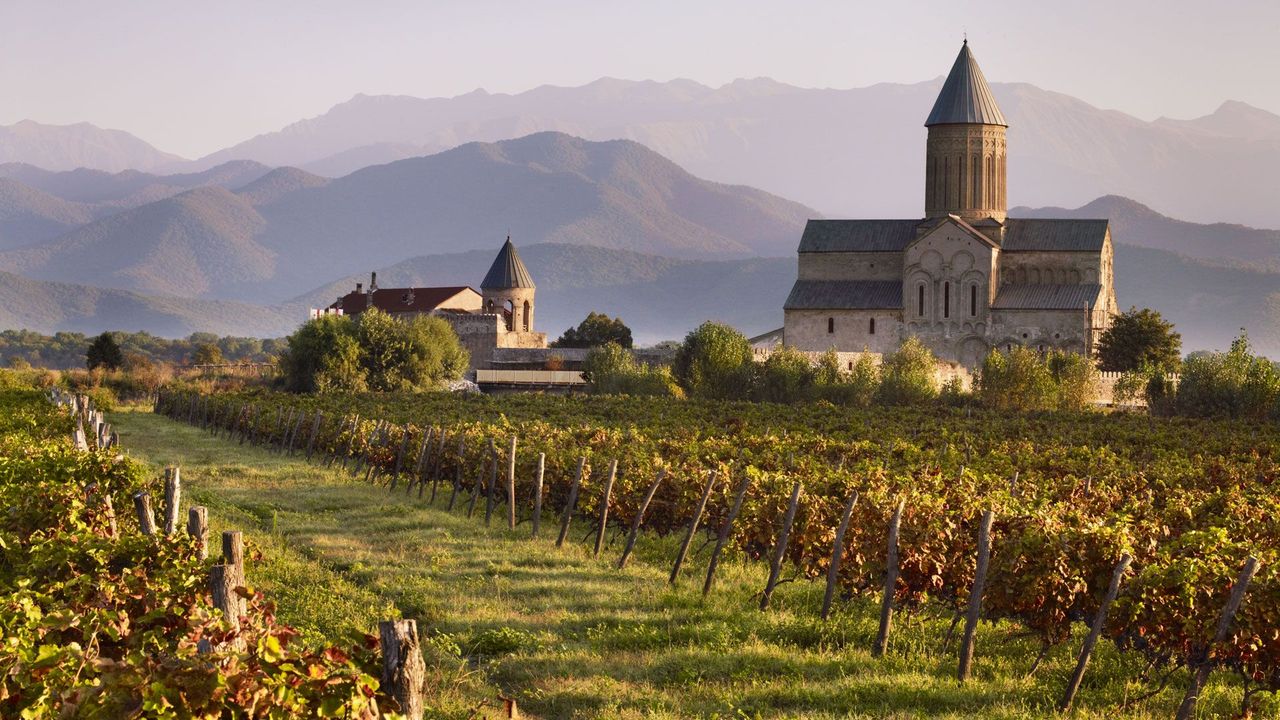


🍾 Croatian Wine: The Definitive Guide to Ancient Terroir, Indigenous Grapes, and the Zinfandel Connection
Croatian wine is not merely a drink; it is a 2,500-year-old story told through limestone, sea breeze, and over 130 native grape varieties. For too long, this viticultural powerhouse was hidden behind political and economic walls, but today, Croatia is emerging as the world's most exciting source for authentic, terroir-driven, low-intervention wines.
If your wine journey is ready to move beyond mass-market production and explore the rich history of the Ancient World, Croatia offers unparalleled depth.
🍇 A 2,500-Year History: The DNA of Wine Culture
The history of Croatian winemaking is inseparable from the history of the Mediterranean itself. Vines were first planted by ancient Greek settlers on the island of Hvar as early as the 4th century B.C. The Romans later expanded production across the mainland of Dalmatia, building a legacy that continues today—evidenced by the UNESCO-protected Stari Grad Plain, where vineyards have been cultivated continuously for over two millennia.
However, the modern story of Croatian wine is defined by three key events:
-
Phylloxera: The louse devastated European vineyards in the late 19th century. Croatian grape cuttings were shipped globally, including the US, where they thrived as "Zinfandel." This tragedy nearly wiped out many native varieties at home.
-
The Yugoslav Era: Winemaking was collectivized, focusing on quantity over the quality of indigenous grapes.
-
Post-Independence: Since the 1990s, the Croatian wine scene has undergone a renaissance, with small, passionate family producers reclaiming their ancestral vineyards and focusing entirely on quality, expression of terroir, and autochthonous varieties.
The Zinfandel Connection: A Family Affair
The biggest question most wine lovers ask is about the link between the American staple Zinfandel and Croatia. The mystery was solved in 2001 by researchers who traced Zinfandel's genetic identity to an ancient Croatian grape: Crljenak Kaštelanski (known historically as Tribidrag).
This is not the end of the story, however. Croatia's flagship red, Plavac Mali, is not Zinfandel, but its direct descendant! Genetic analysis proved that Plavac Mali is the natural crossing of Crljenak Kaštelanski and another old Dalmatian grape, Dobričić.
This makes Croatia the true genetic epicenter for some of the world's most famous grapes, adding a deep layer of expertise to its wine culture.
🗺️ The Geography of Flavor: Croatia’s Four Major Wine Regions
Croatia is often divided into two primary zones—Continental and Coastal—but for wine, it's best understood by its four distinct regions, each championing different grapes and styles. Here is an Encyclopedia of Croatian Wine: 30+ Indigenous Varieties Reclaiming the Ancient World

1. Dalmatia: The Sun-Drenched Home of Bold Reds
-
Location: The long, rugged coast stretching from Zadar to Dubrovnik, including famous islands like Hvar, Korčula, and the Pelješac Peninsula.
-
Climate & Terroir: Intense Mediterranean heat, bright sunshine, and fierce Bura winds. Vines claw their way out of steep, rocky, limestone-rich karst slopes.
-
Flagship Grapes:
-
Red: Plavac Mali (The King of Dalmatia). Produces powerful, high-alcohol, high-tannin wines with flavors of dark cherry, fig, and dry herbs. Its most famous micro-appellations are Dingač and Postup on Pelješac.
-
White: Pošip and Grk. Pošip is known for its full-bodied, aromatic profile with apricot and almond notes, while Grk (exclusive to the sandy soils of Korčula) is saline and uniquely structured.
2. Istria & Kvarner: Mediterranean Elegance and Orange Wine Heritage
-
Location: The heart-shaped peninsula in the northern Adriatic, bordering Italy and Slovenia.
-
Climate & Terroir: Cooler, classic Mediterranean climate tempered by Central European influence. Known for two soil types: white clay and the distinctive Terra Rossa (red clay), rich in iron.
-
Flagship Grapes:
-
White: Malvazija Istarska (The Queen of Istria). A versatile white ranging from fresh, crisp, mineral-driven styles to rich, aged, and skin-macerated Orange wines—a proud Istrian heritage.
-
Red: Teran. An intensely colored, high-acid red known for savory, earthy, and sometimes iron-like notes, making it a perfect food wine.
3. Slavonia and the Danube: The Continental White Wine Powerhouse

-
Location: The vast, fertile plains of eastern Croatia, along the Drava and Danube rivers.
-
Climate & Terroir: Cool continental. The rolling hills of the Golden Valley (Požega-Kutjevo) are rich in loess and clay, supporting high yields and excellent quality.
-
Flagship Grape: Graševina (Welschriesling). The single most planted variety in Croatia. It is incredibly versatile, making fresh, dry, apple-and-citrus-driven wines, structured aged wines, sparkling wines, and even noble rot dessert wines.
4. Croatian Uplands: Small Batches and Unique Varieties
-
Location: Northwest Croatia, surrounding the capital, Zagreb.
-
Climate & Terroir: Cooler, hilly continental. Historically focused on local consumption, but a haven for small, pioneering producers.
-
Flagship Grapes: Škrlet and Pušipel. These are highly specific, rare indigenous grapes, producing light, refreshing, and aromatic whites, perfect for low-alcohol, early-drinking styles.
The Sun & Soil "Translation" Guide: What Should I Buy? Stepping into Croatian wine can be intimidating if you don't recognize the labels. Use this simple cheat sheet to find your new favorite bottle based on what you already drink:
-
If you love Cabernet Sauvignon or Zinfandel...
-
Try: Plavac Mali. It shares the bold fruit, high alcohol, and rich body of a Zin, but with an earthier, more savory "Old World" backbone.
-
-
If you love Sauvignon Blanc or Pinot Grigio...
-
Try: Fresh Malvazija Istarska. It has the crisp acidity and citrus notes you crave, but adds a unique layer of mineral salinity and white flowers.
-
-
If you love Chardonnay...
-
Try: Pošip. Like Chardonnay, Pošip has weight and texture. It can be golden and oily (in a good way!) with ripe tropical fruit flavors.
-
-
If you love Pinot Noir or Gamay...
-
Try: Teran. A high-acid, fresh red from Istria with notes of wild berries and iron. It’s vibrant, electric, and perfect for charcuterie.
-
🍷 The Autochthonous Arsenal: 3 Essential Croatian Grapes to Try
While many international varieties grow here (Merlot, Chardonnay), the magic of Croatian wine lies in its unique, indigenous varieties—a commitment honored by our focus on small-batch, low-intervention curations.

1. Plavac Mali (The King of Dalmatia)
-
Color & Style: Full-bodied, rustic red.
-
Key Descriptors: Black cherry, sun-dried fig, tobacco, carob, Mediterranean herbs, and firm tannins.
-
The Story: Grown on unforgiving slopes, Plavac Mali grapes are small and thick-skinned (mali means small, plavac means blue), leading to concentrated flavor and high natural alcohol. The best examples are age-worthy and complex, showcasing profound terroir-driven intensity.
-
Food Pairing: Grilled lamb, mature cheeses, Dalmatian Peka (slow-cooked meat).
2. Malvazija Istarska (The White Queen of Istria)
-
Color & Style: Dry, aromatic, medium-bodied white.
-
Key Descriptors: White peach, lime blossom, subtle almond, and distinct minerality/salinity.
-
The Story: Unlike other Malvasia families, this grape is genetically unique to Istria. It thrives in the region’s mild climate, offering clean, crisp summer refreshment. Crucially, it's the star of the region's ancient tradition of long skin-maceration, creating captivating Orange wine expressions.
-
Food Pairing: Seafood risotto, Istrian prosciutto, frittata, lightly spiced Asian cuisine.
3. Pošip (The Island Gem)
-
Color & Style: Full-bodied, dry white.
-
Key Descriptors: Dried apricot, ripe pear, vanilla, and honeyed notes. Often has a golden hue.
-
The Story: The first white grape in Croatia to gain a protected designation of origin (PDO). Indigenous to the island of Korčula, Pošip is prized for its ability to produce rich, textured whites while maintaining freshness, defying the typical light nature of Mediterranean whites.
-
Food Pairing: Grilled octopus, baked white fish, creamy pasta dishes
4. Babić (The Stone survivor) Color & Style:
Dense, inky red with high acidity.
Key Descriptors: Dark berries, spices, figs, and a distinct mineral earthiness.
The Story: If Plavac Mali is the King, Babić is the rebel. It hails primarily from the tiny region of Primošten, where the vineyards are UNESCO-recognized works of art. The vines here are planted in tiny pockets of soil enclosed by dry-stone walls ("suhozidi") that look like stone lace from the air. Babić proves that the harder the vine struggles, the better the wine.
Food Pairing: Stewed meats, dark chocolate, or hard, salty cheeses like Paški sir.
✈️ Beyond the Bottle: Planning a Croatian Wine Trip
A key part of appreciating Croatian wine is understanding the passion of its winemakers. These are often multi-generational families committed to sustainable, traditional methods.
Why You Should Visit Croatia’s Wineries
-
Meet the Makers: Most wineries are small, family-run operations where you meet the person who actually crushed the grapes—a true experience of low-intervention philosophy.
-
Stunning Terroir: From the UNESCO-listed fields of Hvar to the rocky terraces of Dingač, the landscapes are as compelling as the wine itself.
-
Wine & Food Fusion: Croatian cuisine is hyper-local. Wine tasting almost always includes local olive oil, prosciutto, and cheese, offering perfect authenticity.
🏛️ Discover Croatian Wine at Sun & Soil
At Sun & Soil Wine Shop, our mission is to bring you these hidden narratives. We specialize in curating wines from the Ancient World regions—and our selection of Croatian wines is among the finest you'll find anywhere.
We bypass mass production to focus on small-batch producers who embody integrity in the vineyard and tradition in the cellar. Every Croatian bottle we stock, from powerful Plavac Mali to elegant Malvazija Istarska, is a direct link to the Illyrian past and the future of authentic, terroir-driven winemaking.
Whether you join our Wine Club for a guided tour or browse our extensive online shop, we are your definitive source for the grapes that truly tell a 3,800-year-old story.
Shop Our Extensive Croatian Wine Collection Now
Or, Join the Sun & Soil Wine Club for a Curated Monthly Journey